Abia State
About Abia State
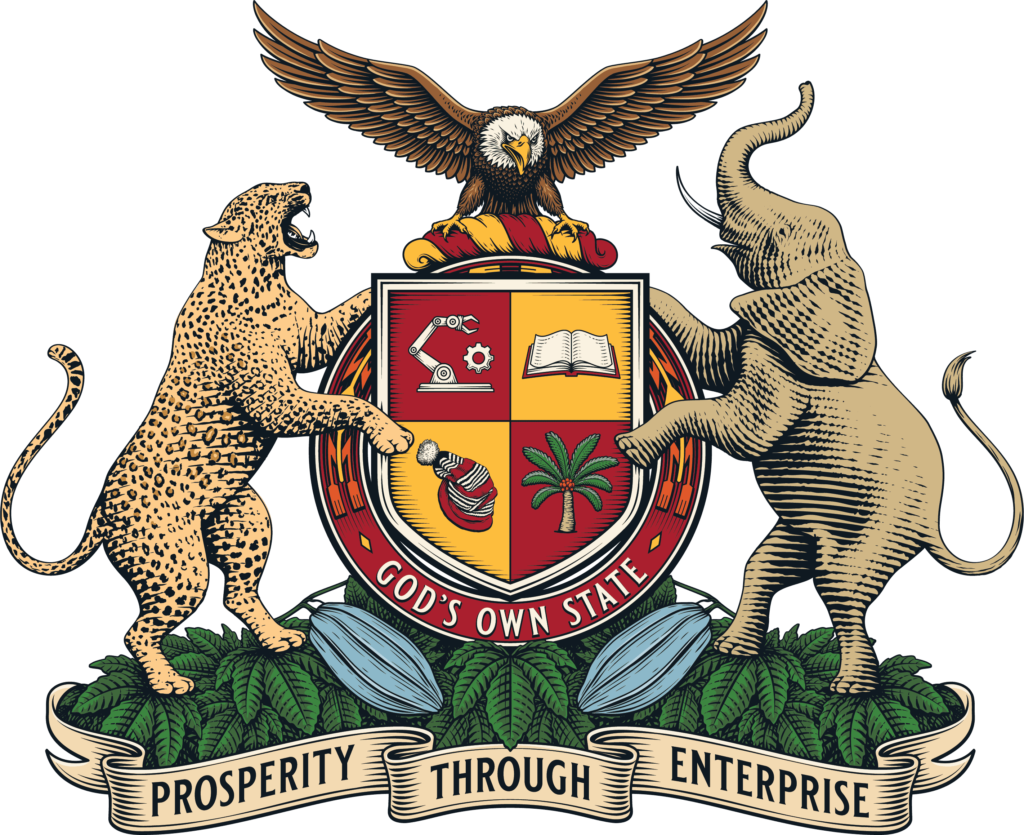
Abia State, located in the southeastern region of Nigeria, is known as God’s Own State, rich in cultural heritage, entrepreneurial spirit, and natural beauty. The state is a hub of commerce and industry, particularly renowned for its vibrant markets, craftsmanship, and innovations in manufacturing, symbolized by the city of Aba, a major commercial center.
Abia is a state that deeply values its cultural heritage while embracing modern advancements. From the iconic Akwete textiles to its agricultural strength, represented by abundant oil palm and ugu (fluted pumpkin). The state is committed to growth through enterprise, education, and technological innovation, aiming to empower its citizens with opportunities in industry and agriculture. With its strong emphasis on community unity, environmental sustainability, and human capital development, Abia State is positioning itself as a model of progress and excellence in Nigeria.
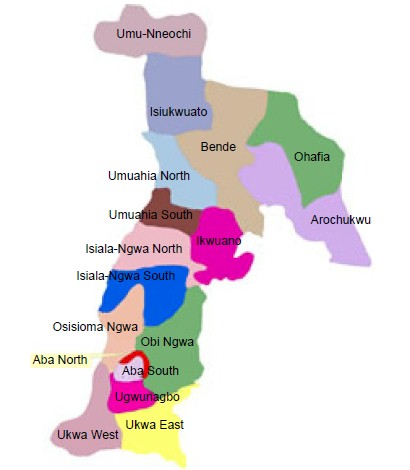
Dr. Alex Chioma Otti, OFR
Dr. Alex Chioma Otti, OFR, born February 18, 1965, is a Nigerian economist, banker, investor, philanthropist, and writer. He was sworn-in on May 29, 2023 as the fifth democratically-elected Governor of Abia State, having been elected by the people of Abia on March 18, 2023, and currently serving his first term in office as Governor of Abia State, Nigeria.
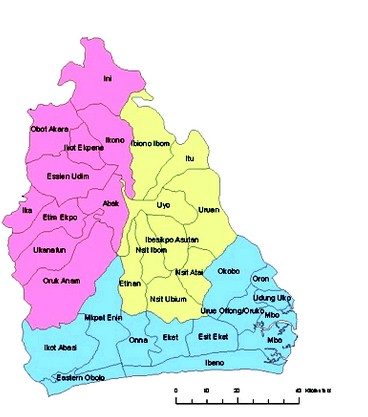
Akwa Ibom State
About Akwa Ibom State
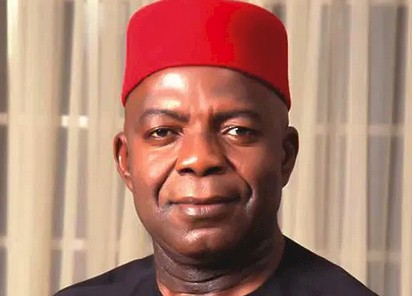
Akwa Ibom State—a land of immense natural beauty, rich cultural heritage, and remarkable achievements.
Nestled in the South-South geopolitical zone of Nigeria, Akwa Ibom shares boundaries with Cross River State to the east (114 km), Rivers State to the west (52 km), Abia State to the north and west (151 km), and the majestic Atlantic Ocean to the south.
Established on 23rd September 1987 under the Military Administration of General Ibrahim Badamasi Babangida, Akwa Ibom State has grown into a cornerstone of Nigeria’s development and identity.
This remarkable state holds many historic firsts:
The first experimental Local Government (County) in British West Africa was established in Ikot Ekpene, marking Akwa Ibom as a trailblazer in governance.
* The state is home to Nigeria’s first Roman Catholic Cardinal, Cardinal Dominic Ekandem, from Ibiono Ibom Local Government Area.
It also produced Nigeria’s first commissioned soldier, Wellington Umoh Bassey (NA 01), an embodiment of patriotism and valor. Akwa Ibom State is a beacon of education and empowerment. The Ibibio State Union was the first ethnic organization in Nigeria to sponsor indigenes for overseas education, showcasing a legacy of investment in human capital. In history, Akwa Ibom stands out:
* Ikot Abasi hosted the second-largest slave depot in West Africa in 1795 and bore the infamous “Bridge of No Return,” a haunting reminder of the transatlantic slave trade.
The Aba Women’s Riot of 1929, a landmark in Nigeria’s history, originated from Ukam Market in Ikot Abasi. It was led by the courageous Madam Udo Udoma and other brave women who stood against colonial injustice.
Akwa Ibom is a land of faith and missionary history.
* The first Qua Iboe Church, founded by Rev. Samuel Bill in 1887, stands proudly in Ibeno.
Mary Mitchell Slessor, the renowned Scottish missionary, spent most of her life in Use Ikot Oku, where she left an indelible mark on the community. Her monument remains a symbol of her dedication.
Beyond its historical and cultural significance, Akwa Ibom is an economic powerhouse.
It is Nigeria’s leading oil and gas-producing state.
* The state has the longest coastline in Nigeria, stretching 129 km, and is a hub for diverse seafood, from catfish to prawns, crabs, and oysters.
* Akwa Ibom is also the first state in Nigeria to own an airline, Ibom Air, established in 2019. With a fleet of seven aircraft, the airline served over 1.5 million passengers in 2022, setting new standards in aviation excellence.
Akwa Ibom has nurtured distinguished leaders who have left an indelible mark on the world:
Chief Nyong Essien, the first Chairman of the Eastern Nigeria House of Chiefs.
* Dr. Egbert Udo Udoma, the first Governor General of Uganda, whose legacy of leadership endures.
Ladies and gentlemen, Akwa Ibom is more than just a state; it is a story of resilience, innovation, and progress.
As we celebrate its past, present, and future, let us honor its contributions to Nigeria and the world at large.
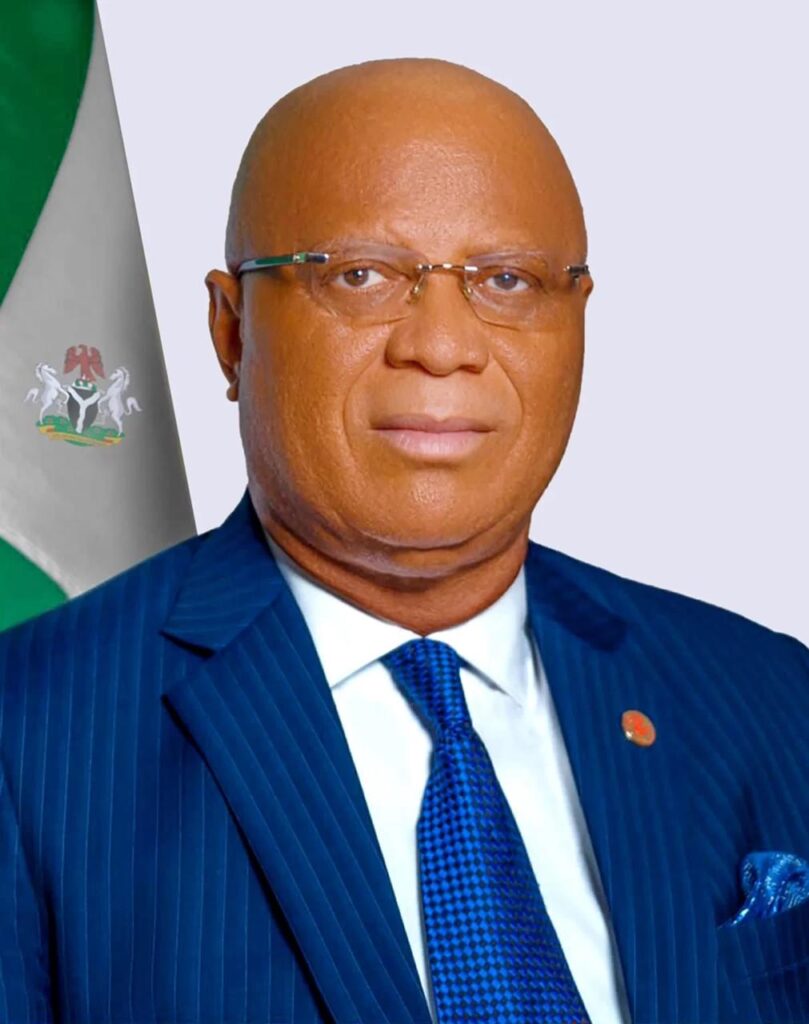
Pastor Umo Eno
Pastor Umo Eno is a visionary entrepreneur and a bivocational pastor. He has proven track records in achieving positive results through development of strategic business alliances, identifying new markets and developing business processes. He has a world of experience in operations, finance, strategic management, business expansion, product development, public relations and political involvement. With deep passion for excellence, his cardinal objective is to build synergy with individuals, corporate organisations, private and government institutions – in human capacity building, maximizing productivity and wealth creation, as well as ensuring strong future growth for national development and enhancement of humanity.
Bayelsa State
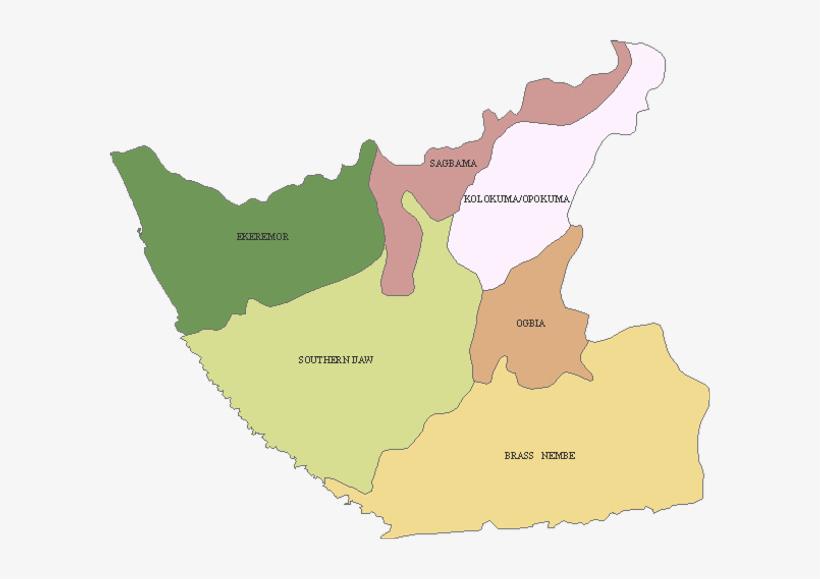
About Bayelsa State
Creation: Bayelsa State was created on October 1, 1996, making it one of the youngest states in Nigeria.
Bayelsa State boasts the longest coastline in the West African sub-region, making it a prime tourist destination.
Geography: Bayelsa State is characterized by its unique riverine and estuarine landscape, with numerous creeks, rivers, and lagoons. The state has a tropical climate with high humidity and rainfall throughout the year.
Economy: Bayelsa State is a major oil-producing state, with significant reserves of crude oil and natural gas. The oil and gas industry is the backbone of the state’s economy, contributing significantly to Nigeria’s overall revenue.
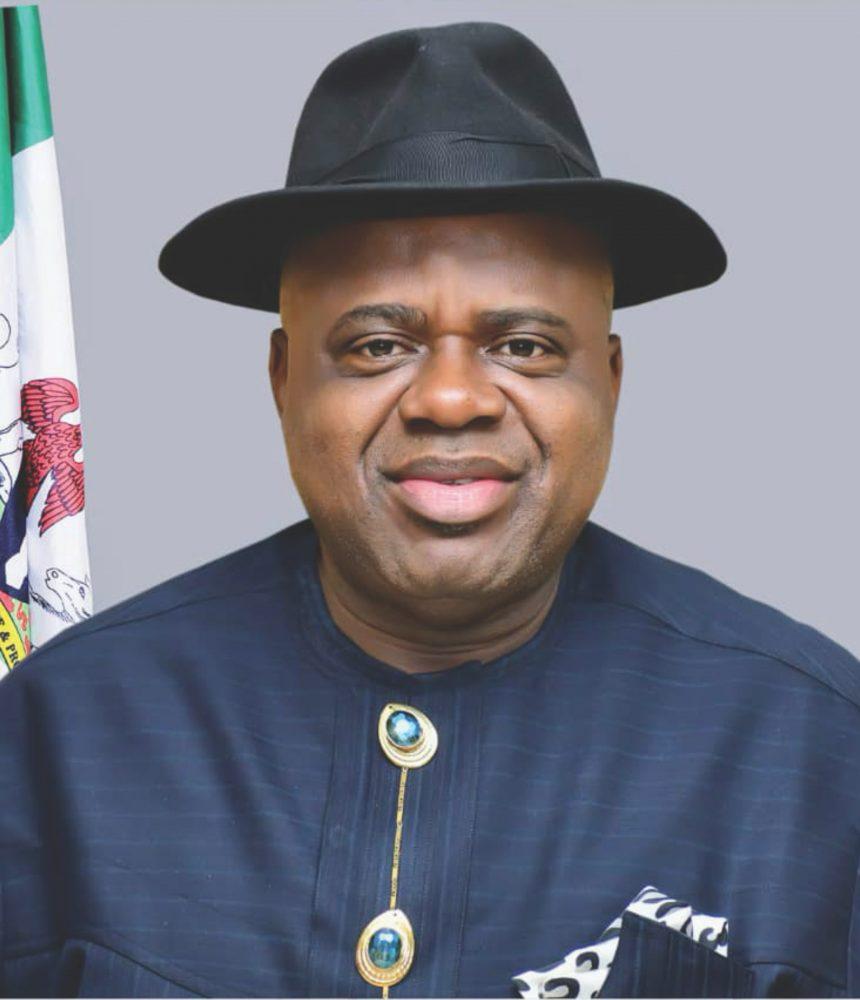
SENATOR DOUYE DIRI
Cross River State
About Cross River State
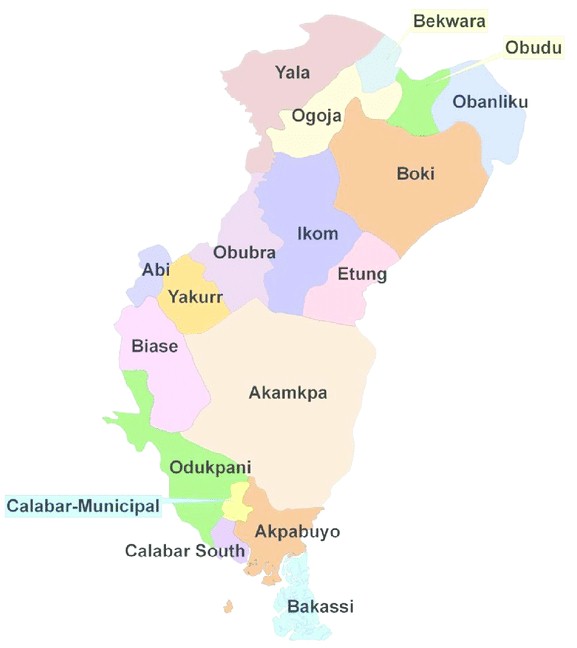
Cross River state was named after the Cross River, which flows through the state. Located in the coastal region of Nigeria, the State occupies 20,156 square kilometers. It shares boundaries with Benue state to the North, Ebonyi and Abia states to the west, to the east by Sud-Ouest Province in Cameroon, and to the south by Akwa-Ibom and the Atlantic Ocean. The state is comprised of 18 Local Government Area Councils.
As a coastal State, the climate is tropical, characterized with high relative humidity. Average temperatures is between 15°C and 30°C all year round. However, climatic conditions differ relative to locations within Cross River state. For instance, the high plateau of Obudu, which has record low temperatures between 4°C and 10°C, as a result of the high altitude of this area. The metropolis of Calabar, the State’s Capital has a significant record of rainfall annually, while the dry season has less significant effect in the state due to the depth of rainfall experienced during the wet season. Based on the records presented by the Climate Data of the State, the annual rainfall of Cross River state is 3306mm.
Prince Bassey Edet Otu
Delta State
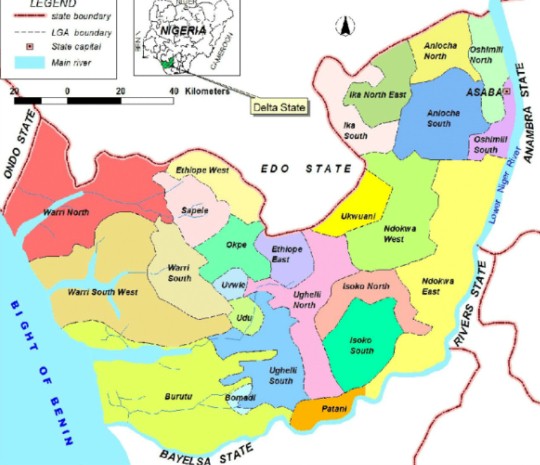
About Delta State
Delta State was created on August 27. 199| out of the former Bendel State. The Bendel was derived from Benin and Delta, the two provinces that made up the former Midwest Region created by plebiscite in August I963 from the Western Region. When the military regime announced new states on May 27, 1967, the Midwest region become a State. The name was changed to Bendel in February 1976. In State Creation of 199|, the Asaba division of the old Benin province was added to the Delta province to make up Delta State.
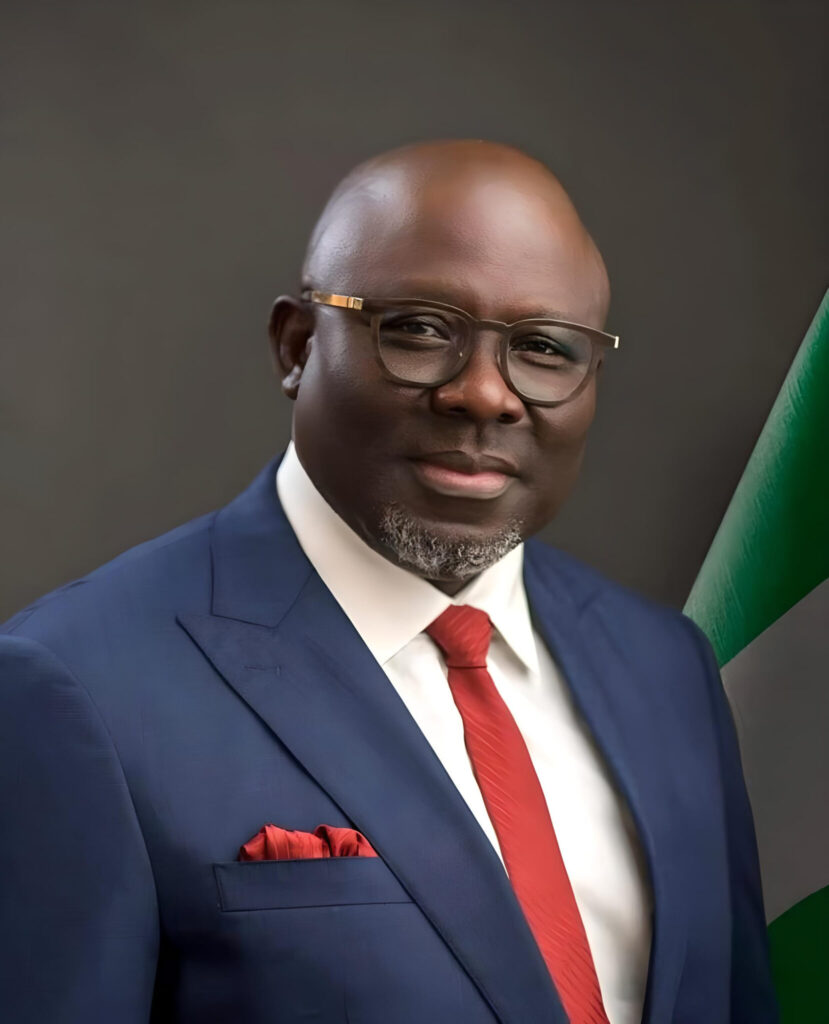
Rt. Hon. Sheriff F. O. Oborevwori
Rt. Hon. (Chief) Sheriff F. O. Oborevwori, (JP) was born on the 19th of June, 1963 to the reputable family of Chief Samuel and Mrs Esther Oborevwori of OSUBI town in Okpe Local Government Area of Delta State, Nigeria. He had his early education at Alegbo Primary School, Effurun. He also attended Aladja Grammar School, Aladja. He later went on to Oghareki Grammar School, Oghareki.
EDO State
About Edo State
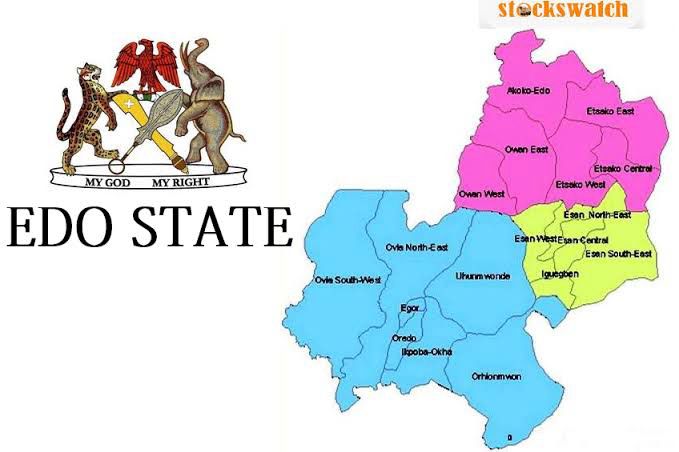
Edo, officially known as Edo State, is a state in the South-South geopolitical zone of the federal republic of Nigeria. As of 2024, the state was ranked as the 22nd most populous state(5,250,000) in Nigeria. The estimated state population is around 4,777,000 in 2022.[4][5]Edo State is the 22nd largest stateby landmass in Nigeria.[6] The state’s capital and largest city, Benin City, is the fourth largest city in Nigeria, and the centre of the country’s rubber industry.[7][8]Created in 1991 from the former Bendel State, it is also known as the heart beat of the nation.[9] Edo State borders Kogi State to the north for 133 km and across the Niger River for 81 km to the northeast, Anambra State to the east for about four km across the Niger River, Delta State to the southeast and south for 350 km (218 miles), and Ondo State to the west.
Monday Okpebholo
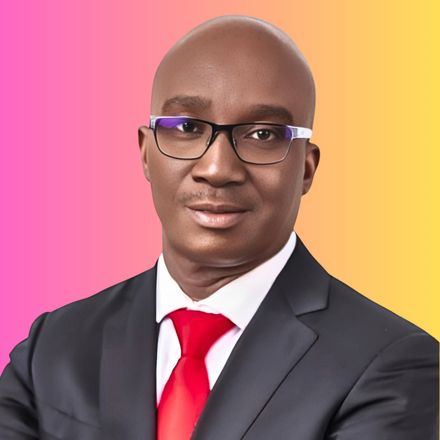
Monday Okpebholo (born 29 August 1970), is a Nigerian businessman and politician who has served as the governor of Edo State since 12 November 2024. He was the senator representing Edo Central senatorial districtfrom 2023 to 2024.
IMO State
About IMO State
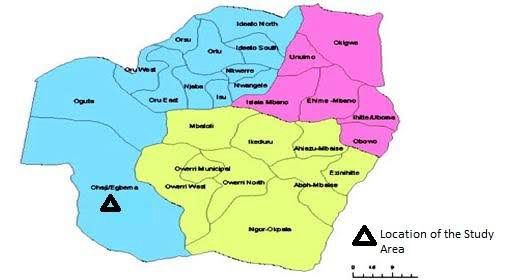
Imo State is one of the 36 states of Nigeria and lies to the south of this West African country, with Owerri as it capital and largest city.
Imo State came into existence in 1976 along with other new states created under the leadership of the late military ruler of Nigeria, Murtala Muhammad, having been previously part of East-Central State. The state is named after the Imo River. Part of it was split off in 1991 as Abia State, and another part became Ebonyi State. The main cities in Imo State are Owerri, Orlu and Okigwe. The Orashi River has its source in this state. The local language is Igbo and Christianity is the predominant religion.
Imo state is a predominantly Igbo speaking state, with Igbo people constituting a majority of 98%.
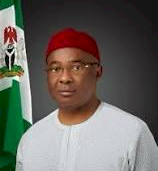
Sen Hope Uzodimma
The governor of Imo State is an elective political position, one of the governors of the thirty-six states of Nigeria. The governor of Imo State is the chief executive officer of Imo state and its executive branch with the assistance of the deputy governor (the governor’s political running-mate). Fourteen people have served as governor since Imo State was created in 1976: eight military governors, two military administrators and seven democratic governors. The current governor is Hope Uzodinma of the All Progressives Congress, in office since 15 January 2020.
Ondo State
About Ondo State
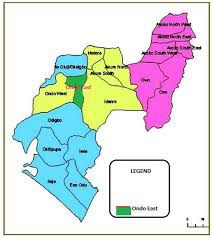
Ondo State in Nigeria was created on February 3, 1976, from the former Western State. The state’s capital is Akure.
Creation
* Ondo State was created from the former Western State, which included the former Ondo Province
* The state’s administrative divisions were Akoko, Akure, Ekiti Central, Ekiti North, Ekiti South, Ekiti West, Okitipupa, Ondo, and Owo
* Ekiti State was split off from Ondo State in 1996
History
* The Ondo Kingdom had a royal lineage based on four houses, each founded by one of Aiho’s sons
* The Osemawe is the primary monarch of the Ondo kingdom
Economy
* Ondo State is Nigeria’s main producer of cocoa
* Other crops include rubber, cashew, kolanut, palm oil, rice, yams, corn, coffee, taro, cassava, vegetables, and fruits
* Mineral deposits include kaolin, pyrites, iron ore, petroleum, and coal
Geography
* Ondo State is located in southwestern Nigeria
* It borders Ekiti State to the north, Kogi State to the northeast, Edo State to the east, Delta State to the southeast, Ogun State to the southwest, and the Atlantic Ocean to the south.
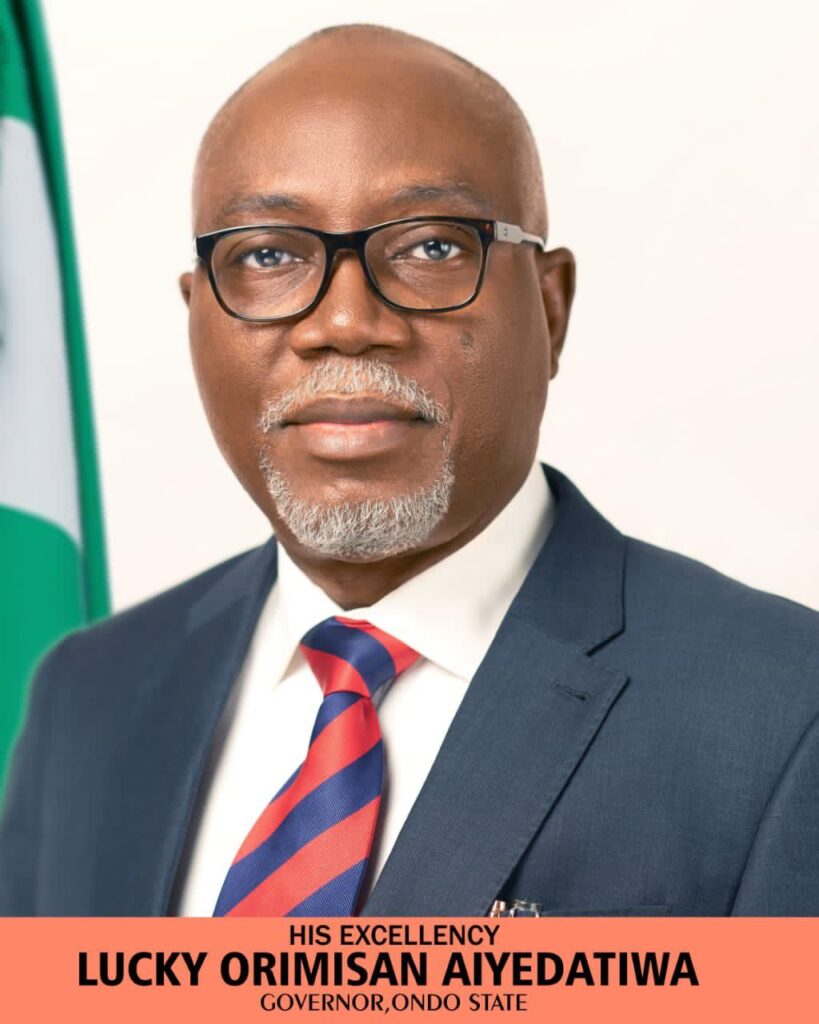
Hon. Lucky Orimisan Aiyedatiwa
Hon. Lucky Orimisan Aiyedatiwa is a native of Obe-Nla, an oil-bearing community in Ilaje Local Government Area of Ondo State. He was born to the family of Mr. Titus Akande and Mrs. Rosanah Moyebi Aiyedatiwa (of blessed memory) on the 12th day of January, 1965. He had his elementary education at Saint Peter’s UNA (now FAC) Primary School, Obe-Nla/Obe Adun in Ilaje LGA of Ondo State between 1970 and 1976. He had his secondary education at Ikosi High School, Ketu, Lagos in 1982. He then proceeded to Lagos State College of Education (now Adeniran Ogunsanya College of Education), Ijanikin, Lagos where he obtained Nigeria Certificate in Education (NCE) in Economics and Government in 1986.
After a period as a classroom teacher and subsequent diversification into business, Aiyedatiwa later attended University of Ibadan for Advanced Diploma in Business Administration with distinction in 2001. He is an alumnus of Lagos Business School – Pan Atlantic University, Lekki, Lagos with Post Graduate Certification in Chief Executive Education (CEP) in Business Management in 2009. He is also an Alumnus of University of Liverpool, United Kingdom where he obtained a Master Degree of Business Administration (MBA) in 2013.
Rivers State
About Rivers State
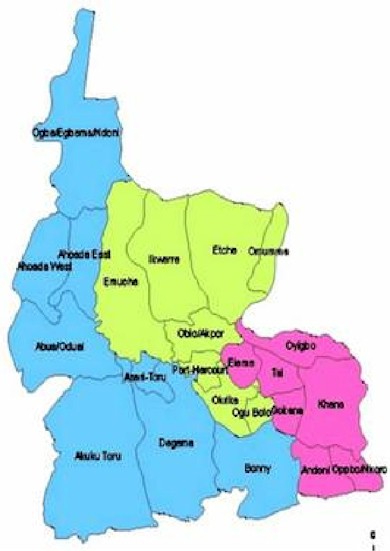
The capital of Rivers State in Nigeria is Port Harcourt. Port Harcourt is the largest city in Rivers State and the fifth most populated city in Nigeria.
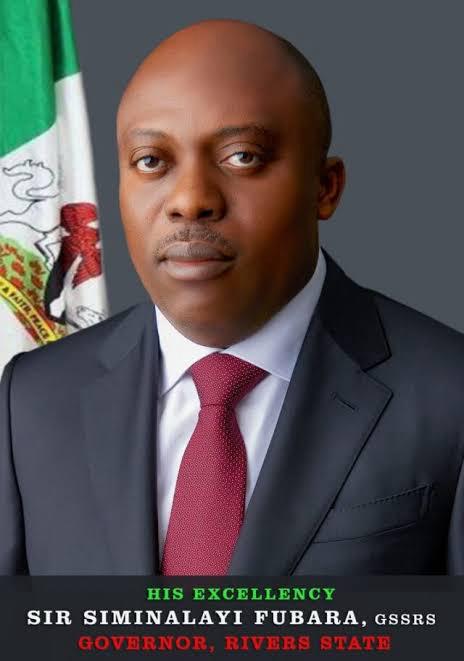
Sir Siminalayi Fubara